
Natal multimammate mouse
Mastomys natalensis
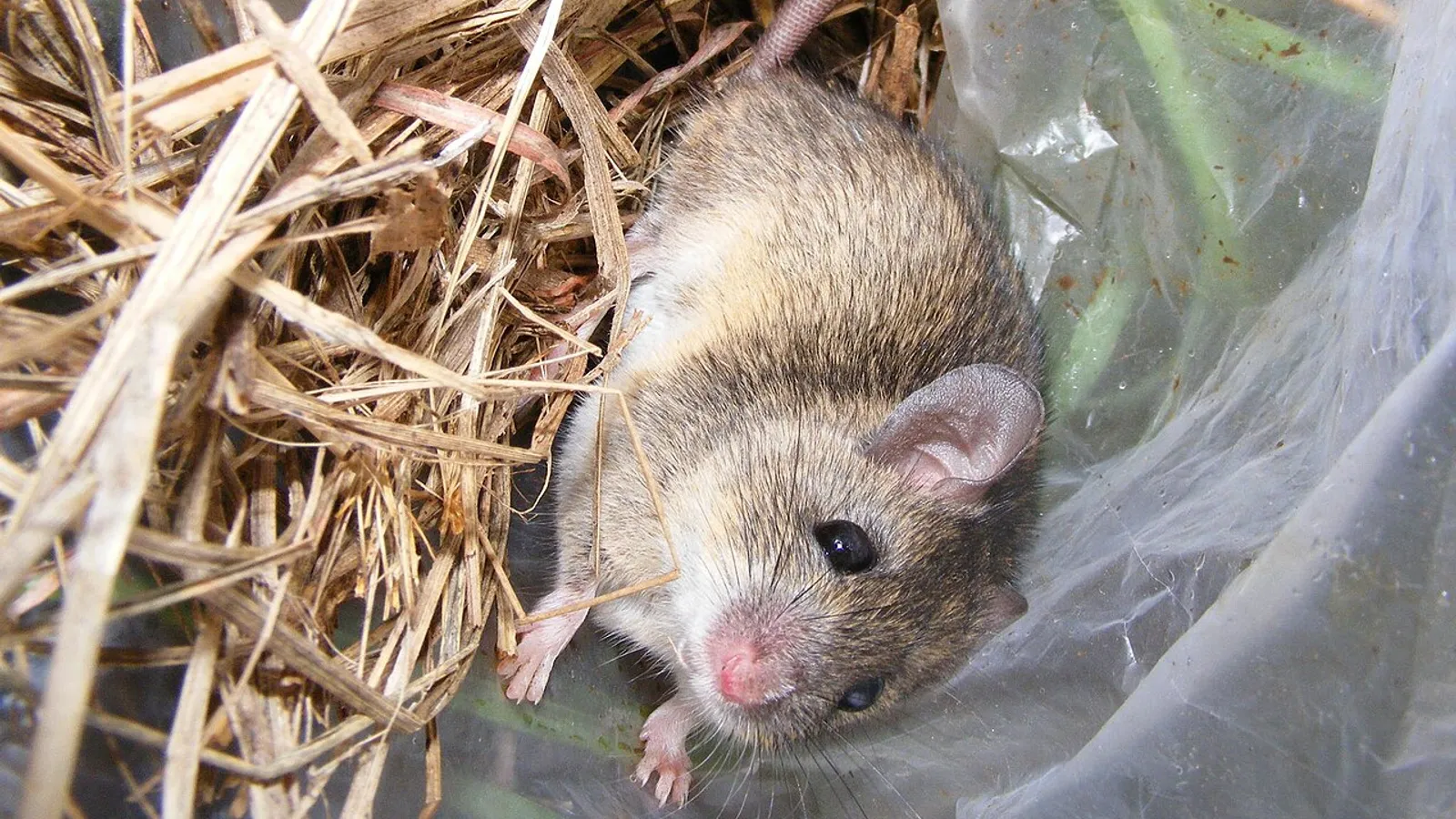
— Where the name comes from
Mastomys is “mouse with teats”, from mastós and mŷs, and it is no small detail: the females have up to twenty-four, the highest number of any mammal. Natalensis points to Natal, the South African province named by Vasco da Gama because he sighted it on Christmas Day 1497. A scientific name that holds together anatomy and a date in the Portuguese calendar.
— Facts
- Group
- Mammals · Mammalia
- Order
- Rodents
- Habitat
- Savannah, cultivated fields, villages, storehouses
- Range
- Sub-Saharan Africa
- Size
- 9–15 cm of body, tail 8–14 cm, 30–80 g
- Diet
- Seeds, grain, insects, scraps
- Lifespan
- 2 years
— Characteristics
- 01
A female can bear twenty young in a single litter.
- 02
It follows cultivation: it proliferates wherever grain is stored.
- 03
Populations explode after abundant rainy seasons.
— What sets it apart
It is the reservoir of Lassa virus, the haemorrhagic fever that infects hundreds of thousands of people in West Africa every year. The mouse does not fall ill: it sheds the virus in urine and droppings inside houses and granaries, and human infection comes from cleaning, cooking or eating the animal itself. The most effective prevention is not medical but architectural — sealed stores, tight containers, fewer dark spaces in the house — which makes it a textbook case of a disease fought with building.
