
Japanese giant flying squirrel
Petaurista leucogenys
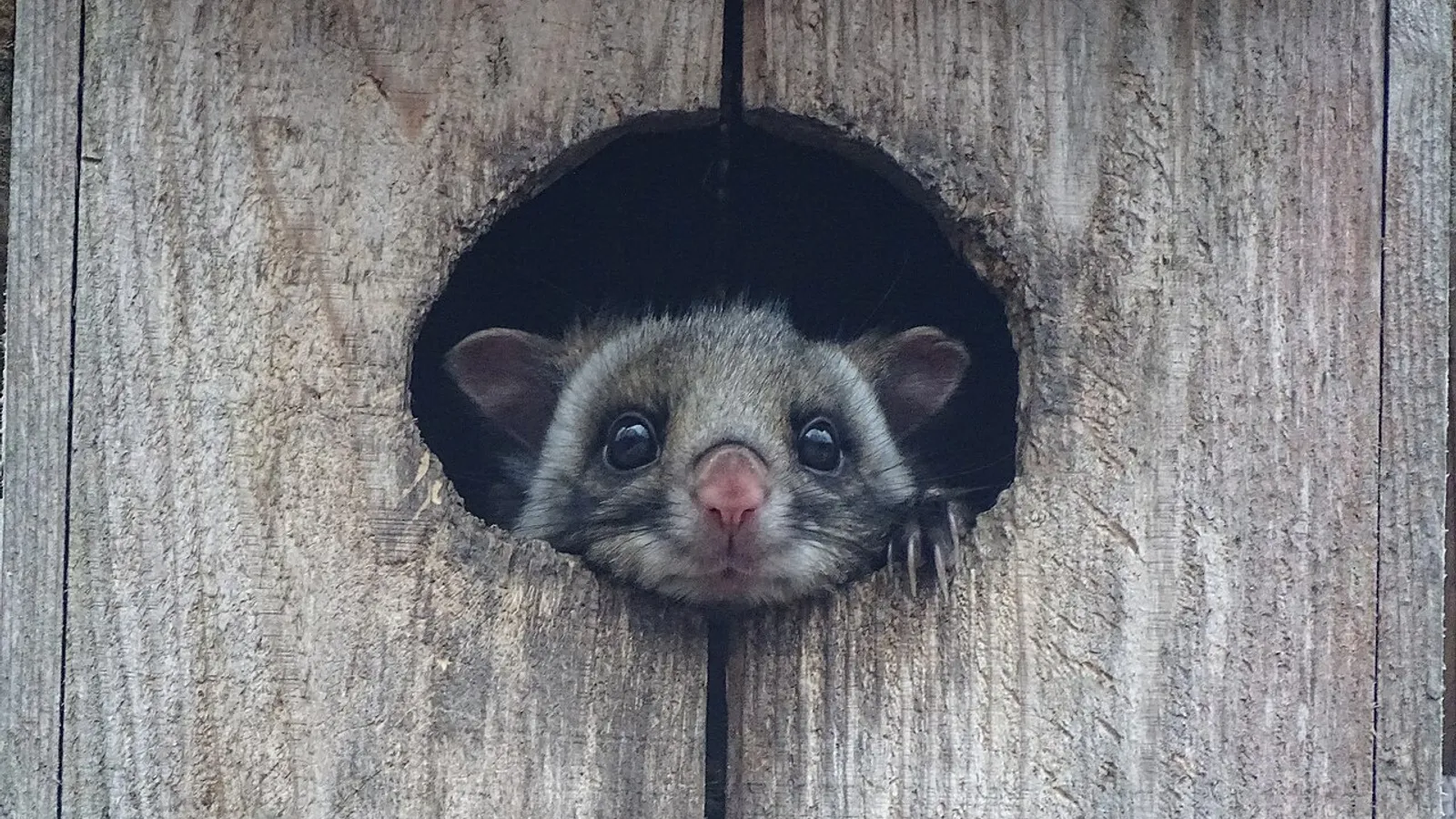
— Where the name comes from
Petaurista was in Greek the circus acrobat, the one who launched himself from the petauron, the springboard used in Roman shows to send men flying through the air. Leucogenys adds “white cheeks”, from leukós and génys, the jaw. The Japanese name, musasabi, is an old word of uncertain origin that already appears in the chronicles of the Nara period.
— Facts
- Group
- Mammals · Mammalia
- Order
- Rodents
- Habitat
- Mature temperate forest, woodland around temples
- Range
- Japan: Honshū, Shikoku, Kyūshū
- Size
- 27–49 cm of body, tail nearly as long, 700–1,500 g
- Diet
- Leaves, buds, seeds, bark, fruit
- Lifespan
- 15 years
— Characteristics
- 01
It routinely glides over a hundred metres, with measured records past a hundred and sixty.
- 02
It lives on leaves, a rare diet for a rodent and possible only with an enormous caecum.
- 03
It nests in cavities and often in the roof spaces of temples.
— What sets it apart
It is one of the few Japanese wild animals whose favoured habitat is the groves of shrines. The chinju no mori, the sacred stands left intact around Shintō temples even inside cities, keep the old hollow trees the musasabi needs and which productive forests no longer have. Anyone hoping to see one in the evening, in Japan, does not go to a national park: they go to a shrine and wait for sunset.
