Italian sparrow
Passer italiae
— Where the name comes from
Passer is Latin for sparrow, italiae means “of Italy”. Vieillot described it in 1817, and for almost two centuries ornithologists argued over whether it was a species, a subspecies of the house sparrow or simply a hybrid, until genetics proved everyone right and no one.
— Facts
- Group
- Birds · Aves
- Order
- Passerines
- Habitat
- Villages, towns, farmsteads and cultivated countryside
- Range
- Peninsular Italy, Corsica and some Alpine valleys of Switzerland, Austria and Slovenia
- Size
- 14–16 cm, 25–35 g
- Diet
- Seeds, grain, crumbs, insects for the chicks
- Lifespan
- 3 years on average
— Characteristics
- 01
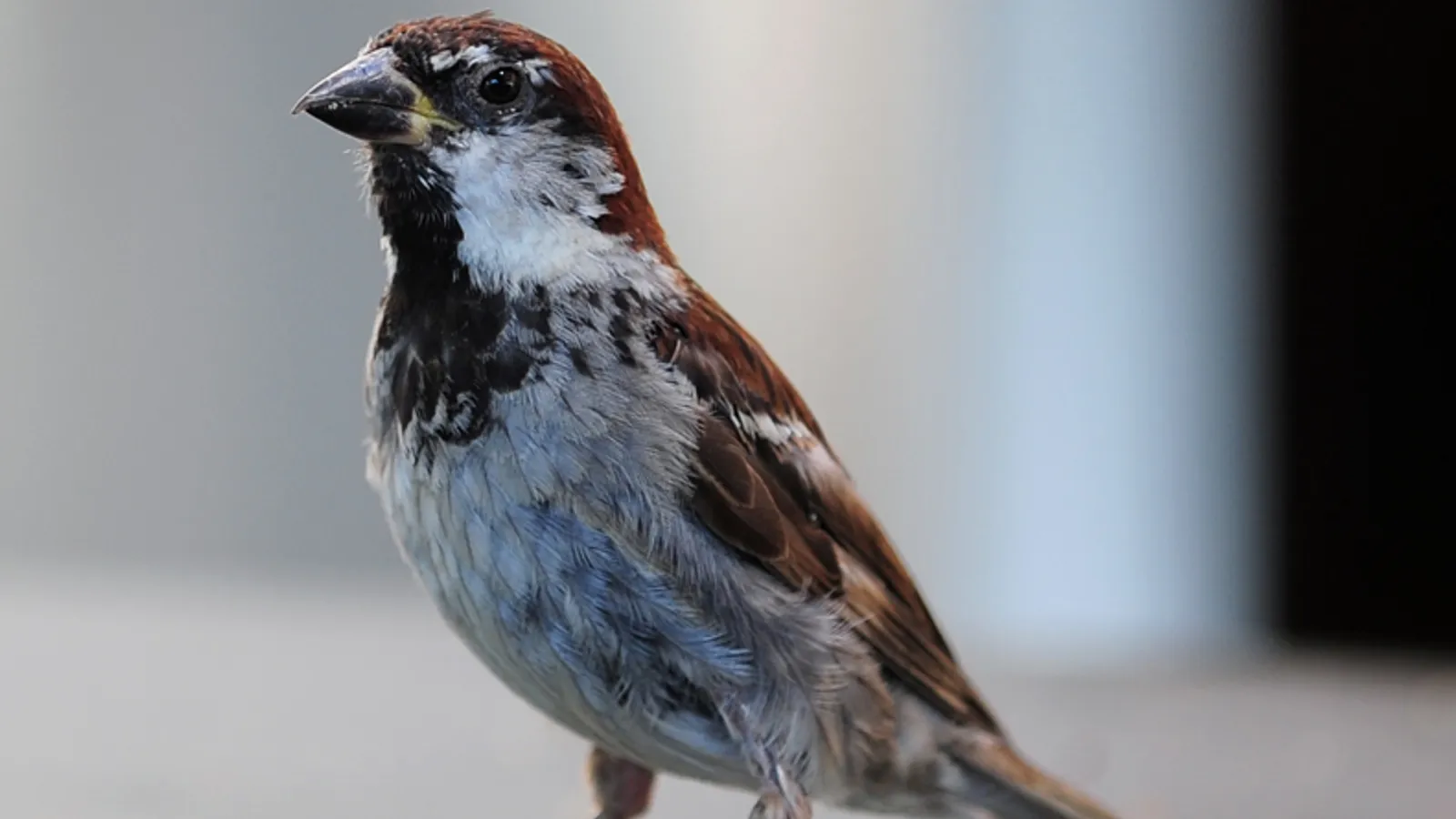
The male has a chestnut crown and white cheeks.
- 02
It lives in groups tied to human settlements.
- 03
It nests under roof tiles, in wall cavities and in swallows’ nests.
— What sets it apart
It is a species born of a cross. DNA analyses published in 2011 showed that the Italian sparrow descends from hybridisation between the house sparrow and the Spanish sparrow, which probably happened when farming brought the former to Italy, where the latter lived. The descendants then stabilised into a population that no longer mixes with either: it is one of the very few documented cases of a hybrid species among vertebrates. Today it is declining, like sparrows all over Europe, and its disappearance from cities is one of the mysteries of urban ornithology.