
American black bear
Ursus americanus
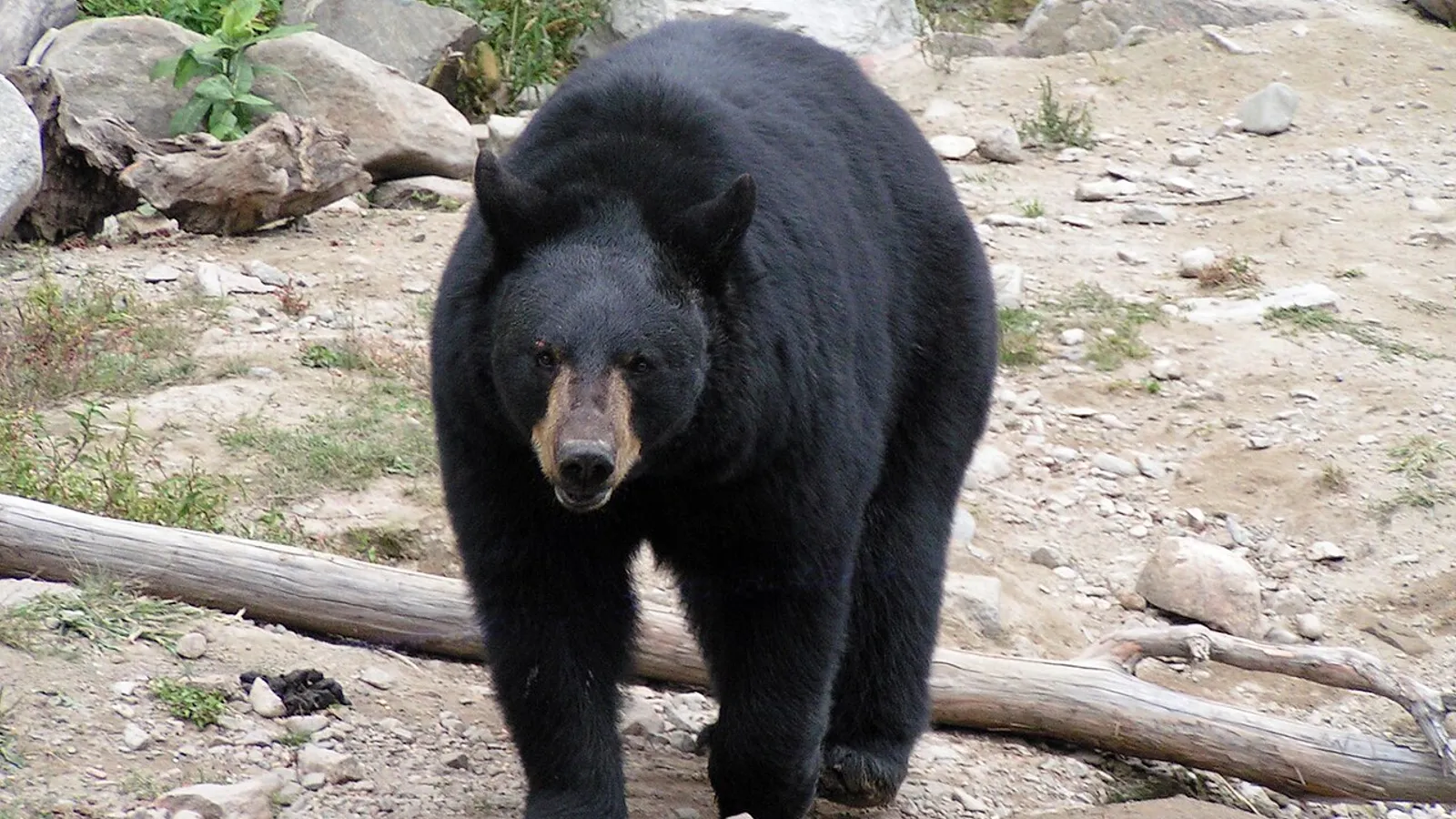
— Where the name comes from
Ursus is the Latin for bear, from the Indo-European root *h₂ŕ̥tḱos which also gave the Greek árktos — and from árktos comes the Arctic, the land beneath the Great Bear. In the Germanic languages that root vanished instead: people preferred to call it “the brown one”, bero, so as not to say its true name, which was taboo. The English bear and the German Bär are still that cautious nickname.
— Facts
- Group
- Mammals · Mammalia
- Order
- Carnivores
- Habitat
- Deciduous and coniferous forest, scrub, wooded suburbs
- Range
- North America, from northern Mexico to Alaska; present in nearly every US state
- Size
- 120–200 cm long, 60–300 kg
- Diet
- Omnivore — berries, acorns, insects, carrion, salmon
- Lifespan
- 20 years in the wild
— Characteristics
- 01
Despite the name it may be blond, cinnamon, blue-grey or white depending on the population.
- 02
Through winter dormancy it neither urinates nor defecates for months, recycling urea into new protein.
- 03
It climbs easily even as an adult, and pushes its cubs up a trunk to safety.
— What sets it apart
In hibernation it loses neither muscle mass nor bone density, and these are months of absolute stillness. A human being bedridden for the same time would come out with wasted muscles and a fragile skeleton; the bear stands up in spring and walks. How it does so is being studied by space medicine and by orthopaedics: something in its metabolism goes on repairing bone and recycling protein while everything else is at a standstill. Anyone looking for a cure for osteoporosis and disuse atrophy is looking for it, quite literally, inside a sleeping bear.
