
Wolf
Canis lupus
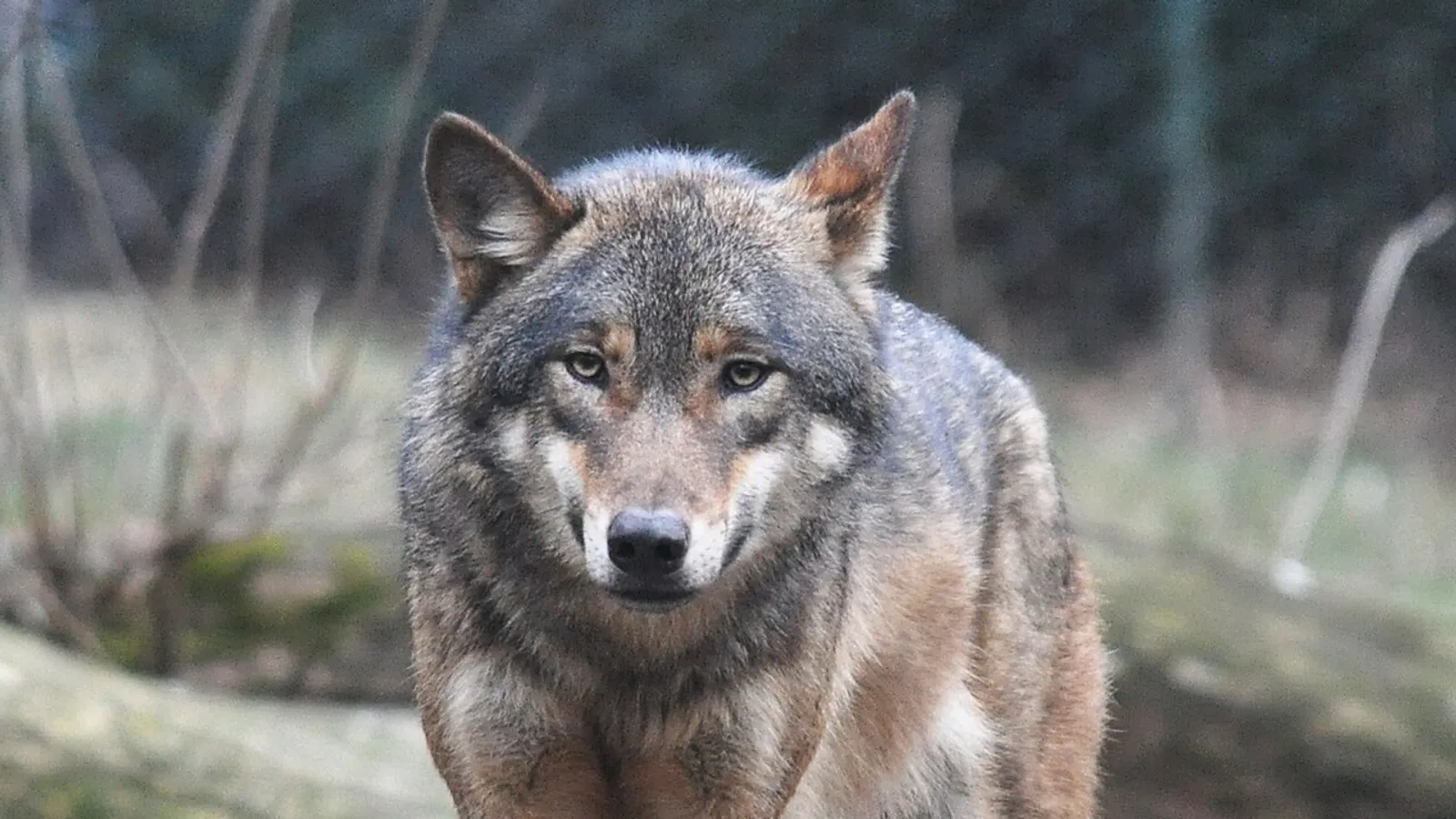
— Where the name comes from
From the Latin lupus, itself from the Indo-European root *wĺ̥kʷos, the same one behind the Greek lýkos and the Sanskrit vṛ́ka. The Latin form has a p where a q was expected, which suggests it was borrowed from Sabine or from another Italic dialect.
— Facts
- Group
- Mammals · Mammalia
- Order
- Carnivores
- Habitat
- Temperate and boreal forest, tundra, steppe, mountains up to 3,000 m
- Range
- Eurasia and North America; in Italy along the whole Apennine ridge and in the Alps
- Size
- 100–160 cm long, 30–60 kg
- Diet
- Carnivore — wild ungulates, mostly wild boar and roe deer
- Lifespan
- 6–8 years in the wild, up to 16 in captivity
— Characteristics
- 01
Lives in packs that are family units: one breeding pair and the young of several litters.
- 02
The howl is long-range communication; every individual has a recognisable vocal signature.
- 03
Covers up to 20 km a day patrolling a territory that can exceed 300 km².
— What sets it apart
The wolf has no “alpha male” that wins rank by fighting: that idea came from watching unrelated animals penned together in captivity. In the wild the dominant pair is simply the parents. The very researcher who spread the word alpha, David Mech, has since publicly asked for it to be withdrawn.
