
Mountain hare
Lepus timidus
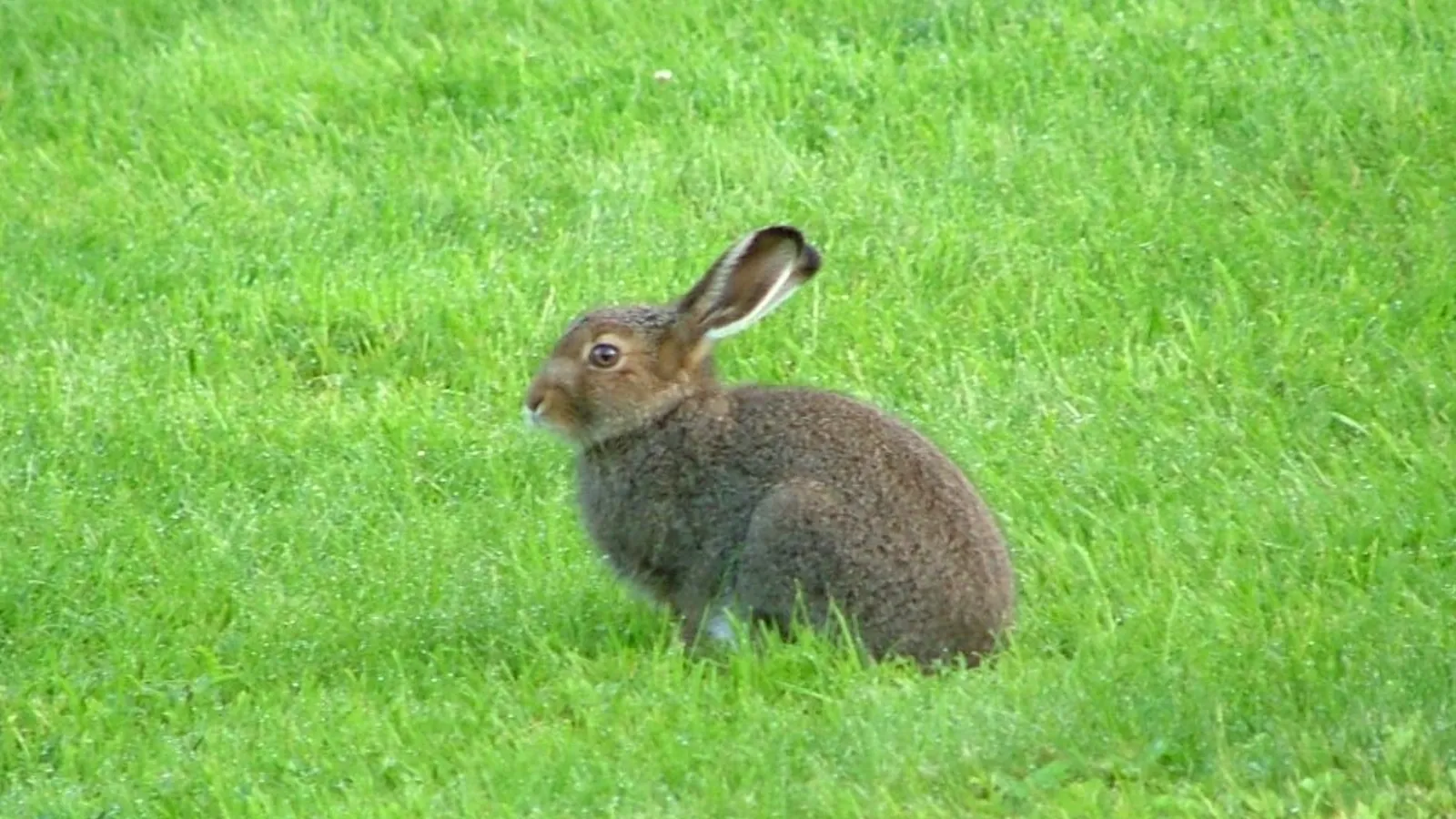
— Where the name comes from
Lepus is the Latin for hare, a word of pre-Indo-European Mediterranean origin, perhaps the same one behind the Greek lébēris. Timidus, “timid”, is the moral judgement the Romans passed on the animal: it runs. The Italian variabile looks instead at the only truly remarkable thing, the coat that changes colour twice a year — white in winter, brown-grey in summer.
— Facts
- Group
- Mammals · Mammalia
- Order
- Lagomorphs
- Habitat
- Tundra, moorland, boreal forest, alpine grassland above the treeline
- Range
- Northern Europe, the Alps, Siberia; relict populations in Ireland and Scotland
- Size
- 45–65 cm, 2–5.3 kg
- Diet
- Herbivore — grasses, shoots, bark, lichens
- Lifespan
- 5–6 years in the wild
— Characteristics
- 01
The very broad hind feet work as snowshoes.
- 02
The change of coat is triggered by day length, not by temperature.
- 03
In the Alps it lives up to 3,500 metres, above every other hare.
— What sets it apart
It turns white because the days shorten, not because it is cold or there is snow — and in a changing climate that has become a measurable problem. In years when the snow comes late or melts early, the animal stays white on brown ground for weeks, visible for kilometres, and mortality from predation rises sharply: researchers call those days a mismatch. The hare has no way of noticing, because its calendar is written in the light.
