
Cat
Felis catus
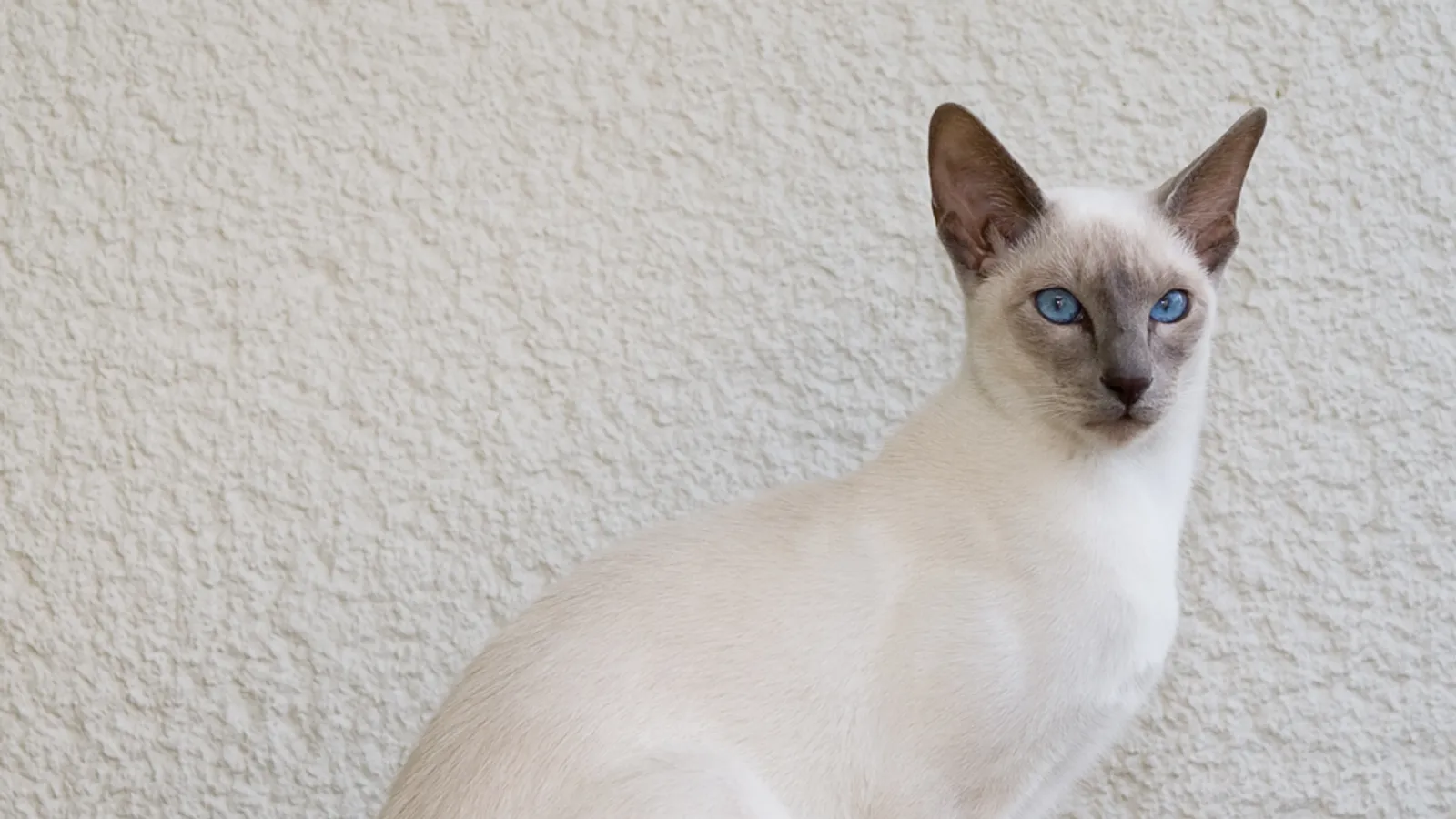
— Where the name comes from
The Romans had feles, but when the cat truly arrived from Egypt it brought a new name with it: cattus, probably of Afro-Asiatic origin, which within a few centuries swept the classical word away across Europe. From it come the Italian gatto, the French chat, the English cat, the German Katze, the Russian kot. It is one of the few words that spread across an entire continent together with the animal it names, travelling at the same speed.
— Facts
- Group
- Mammals · Mammalia
- Order
- Carnivores
- Habitat
- Houses, farms, cities; feral populations everywhere
- Range
- Cosmopolitan, following people onto every continent and almost every island
- Size
- 45–50 cm long plus 25–30 of tail, 3–6 kg
- Diet
- Strict carnivore — it depends on taurine from meat, which it cannot synthesise
- Lifespan
- 12–18 years
— Characteristics
- 01
The tapetum lucidum behind the retina reflects light and lets it see with a sixth of the light we need.
- 02
Its purr ranges between 25 and 150 Hz, a band of frequencies that favours bone repair.
- 03
It cannot taste sweetness: the gene for the corresponding receptor is inactive throughout the cat family.
— What sets it apart
Unlike the dog, the cat domesticated itself. Genetic analysis points to a single ancestor, the African wildcat, and a single motive: the granaries of the Near East, where ten thousand years ago the first farmers heaped up grain and with it mice. The least fearful cats found abundant food, and nobody drove them off. The miaow, in all this, is a recent and targeted invention: adult wild cats scarcely miaow to one another. They developed it to talk to us.
