
European edible dormouse
Glis glis
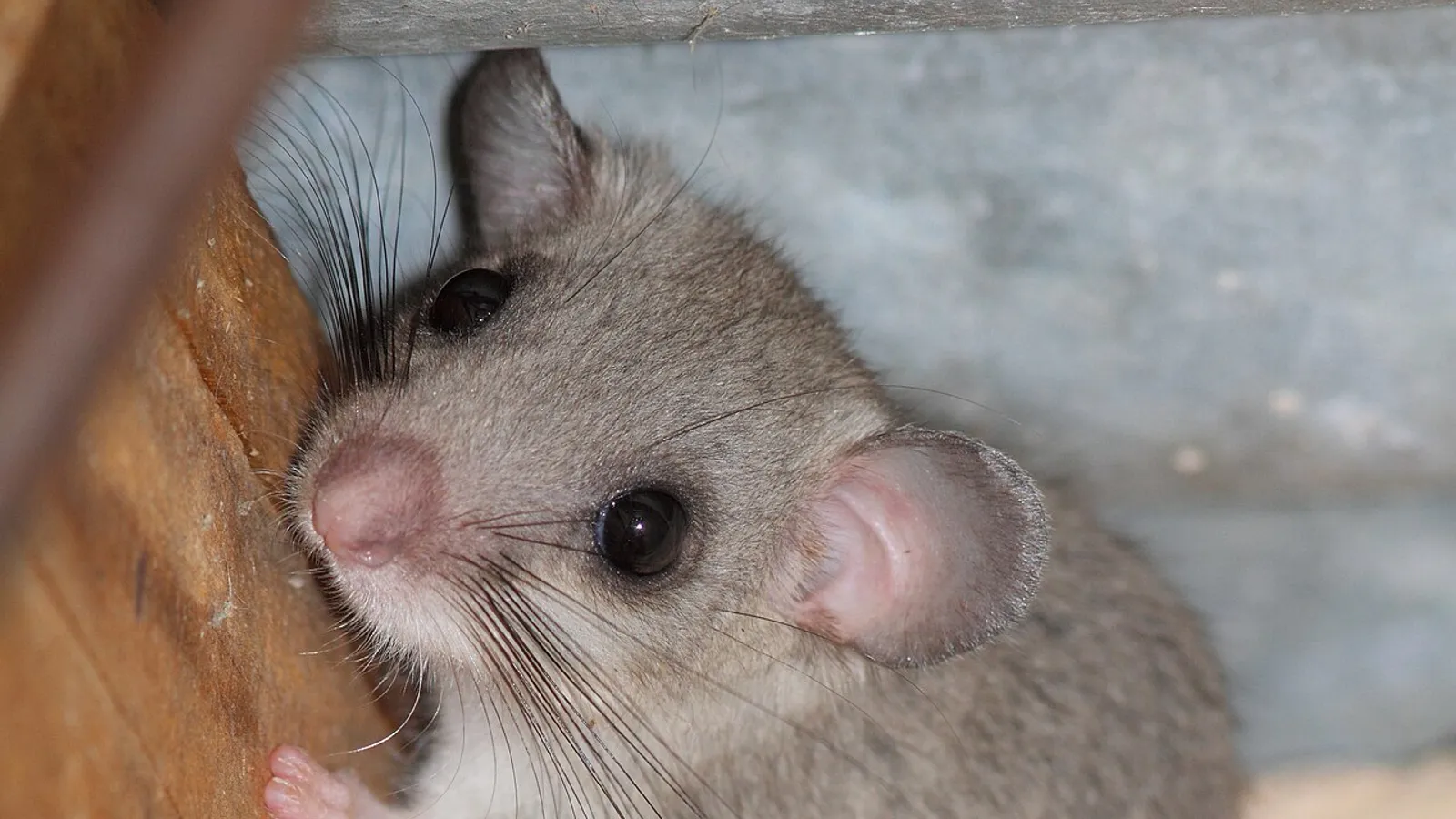
— Where the name comes from
Glis, glīris is the exact Latin, and the Italian ghiro comes from it. The Romans knew it well because they ate it: they fattened it inside the glirarium, an earthenware jar with internal grooves where the animal moved about in the dark without burning energy. The English dormouse has instead the root of sleep, from the French dormir — the same image behind the Italian phrase “to sleep like a dormouse”.
— Facts
- Group
- Mammals · Mammalia
- Order
- Rodents
- Habitat
- Mature broadleaf woodland, above all beech and oak with hollow trees
- Range
- Europe, from northern Spain to the Caucasus; common throughout the Italian peninsula
- Size
- 13–19 cm long plus 11–13 of tail, 70–180 g
- Diet
- Herbivore — beech mast, acorns, hazelnuts, fruit, buds
- Lifespan
- 9 years, exceptional for a rodent of this size
— Characteristics
- 01
It goes into true hibernation for seven months a year, the longest of any European mammal.
- 02
Seized by the tail it sheds the skin from it, which then dies back and drops off: a one-way escape.
- 03
It is strictly nocturnal and arboreal, and comes to the ground almost only to reach its winter refuge.
— What sets it apart
In years when the beech produces no seed, the dormouse simply does not breed: it skips the whole season and goes back to sleep. The beech, for its part, fruits in a synchronised and unpredictable way — years of nothing followed by a year of plenty — precisely in order to starve its seed predators and then swamp them with more seed than they can eat. The dormouse’s extraordinary longevity is the answer to that strategy: to wait for the good year, you have to live long enough to see it come.
